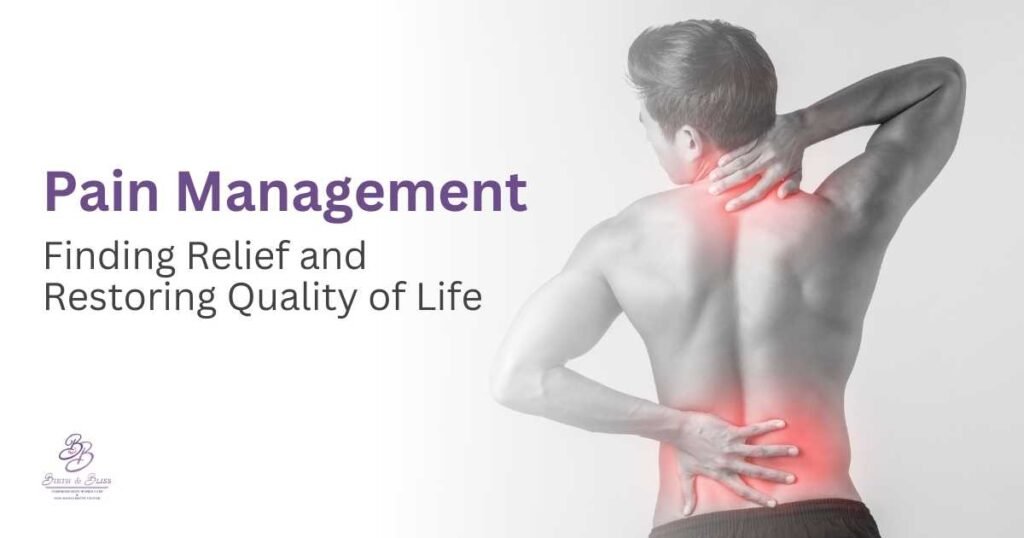
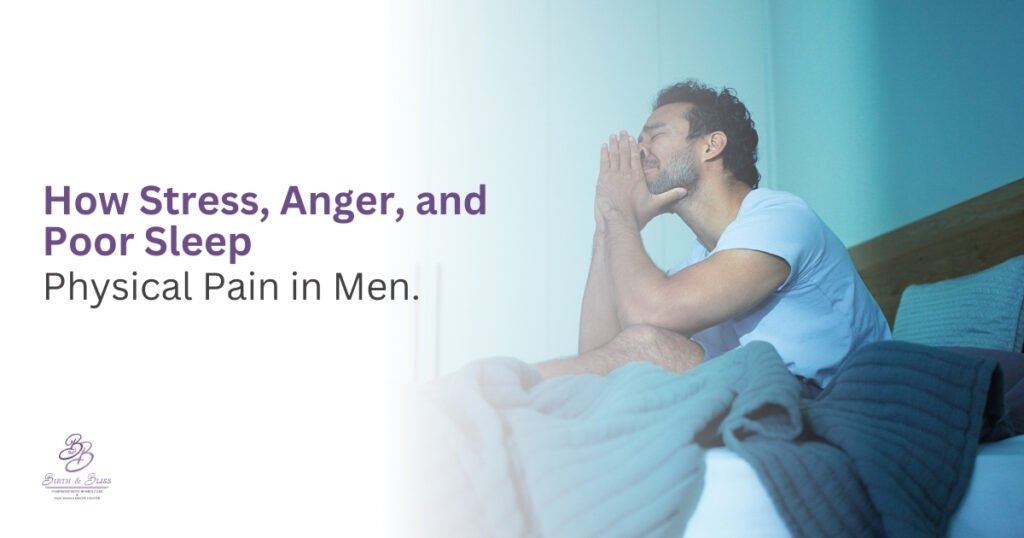
Modern life puts enormous pressure on men—work deadlines, financial responsibilities, family commitments, and social expectations. Over time, this mental load often shows up as physical pain. Backaches, headaches, neck stiffness, joint pain, and constant fatigue aren’t always caused by injury or aging alone.
Very often, the real triggers are stress, suppressed anger, and poor sleep.
Let’s understand how these invisible factors quietly increase pain in the male body—and what you can do about it.
The Mind–Body Connection: Why Emotions Turn Into Pain
Pain isn’t just mechanical. Your brain and nervous system play a major role in how pain is felt. When you’re mentally overwhelmed, your body stays in a constant fight-or-flight mode. This causes:
Tight muscles
Reduced blood flow
Increased inflammation
Heightened pain sensitivity
Over time, even small discomforts start feeling severe.
How Stress Makes Pain Worse
Chronic stress keeps cortisol (the stress hormone) elevated. While short-term cortisol helps you cope, long-term stress leads to:
Constant muscle tension (especially neck, shoulders, and lower back)
Slower healing of tissues
Increased nerve sensitivity
Poor posture and shallow breathing
Many men experience stress-related pain as:
Persistent back pain
Tension headaches
Jaw tightness
Shoulder stiffness
Because stress is “mental,” it’s often ignored—until the body forces attention through pain.
Suppressed Anger: The Silent Pain Trigger
Men are frequently taught to hold emotions in. Anger that isn’t expressed doesn’t disappear—it gets stored in the body.
Common physical effects of unresolved anger include:
Chest tightness
Upper back pain
Headaches
Digestive discomfort
Elevated blood pressure
Emotionally bottled-up men often report feeling “heavy,” tired, or achy without a clear physical cause.
Poor Sleep: When the Body Can’t Repair Itself
Sleep is when your body heals muscles, balances hormones, and resets the nervous system. If you’re sleeping less than 6–7 hours or waking frequently, recovery simply doesn’t happen.
Lack of quality sleep leads to:
Increased inflammation
Reduced pain tolerance
Weak muscle recovery
Fatigue-related posture problems
That’s why men with poor sleep often wake up with:
Body stiffness
Lower back pain
Joint soreness
Head heaviness
Over time, this becomes chronic.
The Vicious Cycle
Here’s what usually happens:
Stress → Poor sleep → More pain
Pain → Frustration/anger → Even worse sleep
And the loop continues.
Many men break this cycle by using painkillers—but that only masks symptoms. The root problem remains.
Why Painkillers Alone Don’t Solve This
Painkillers may offer temporary relief, but they:
Don’t relax stressed muscles long-term
Don’t calm an overactive nervous system
Don’t improve sleep quality
Don’t release emotional tension
That’s why pain often returns stronger once the medicine wears off.
A Smarter Approach to Men’s Pain
Lasting relief comes from addressing both physical and emotional health.
Here are simple but powerful steps:
✔ Improve Sleep Hygiene
Fixed bedtime
No screens 1 hour before sleep
Dark, quiet room
Light stretching before bed
✔ Manage Daily Stress
10 minutes of deep breathing
Short walks
Limiting caffeine late in the day
✔ Move Your Body
Gentle exercise, physiotherapy, or guided stretching helps release stored tension.
✔ Express Emotions
Talk, journal, or practice mindfulness. Emotional release reduces physical load.
✔ Seek Professional Help Early
If pain lasts more than a week or keeps returning, proper evaluation is essential.
Final Thoughts
For many men, pain isn’t just coming from muscles or joints—it’s coming from stressful minds, restless nights, and unexpressed emotions.
Ignoring these factors only deepens the problem.
Real healing starts when you care for both body and mind.
If you’re dealing with recurring pain, poor sleep, or constant stress, don’t settle for temporary fixes. A holistic approach can help you regain comfort, strength, and balance—naturally.