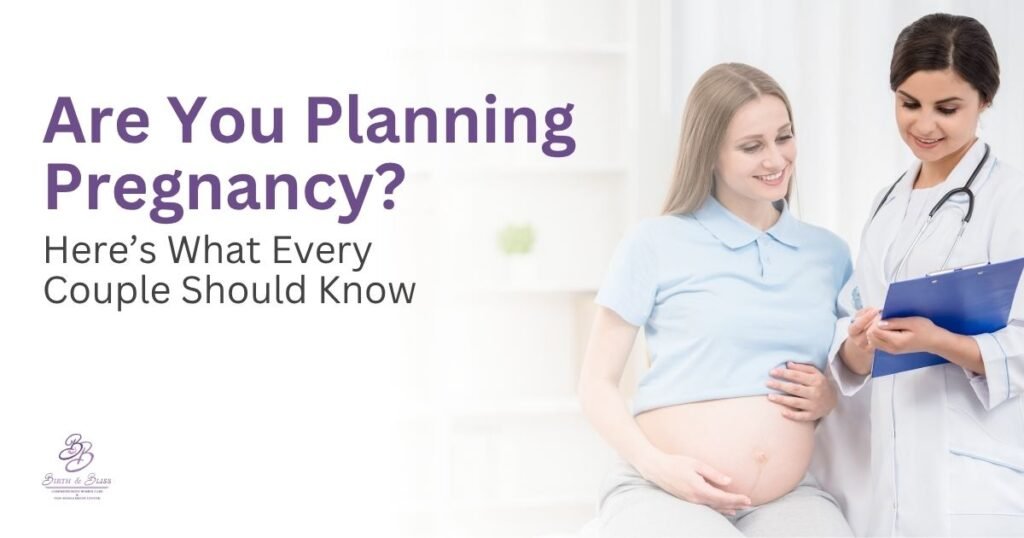
Planning a pregnancy is one of the most exciting phases in life. Whether you are preparing for your first baby or expanding your family, taking the right steps before conception can help ensure a healthy pregnancy and a healthy baby.
Many couples believe pregnancy happens naturally without preparation, but pre-pregnancy planning plays an important role in improving fertility, reducing complications, and supporting both mother and baby throughout the journey.
If you are planning pregnancy, this guide will help you understand how to prepare your body, lifestyle, and health for a smooth and healthy experience.
Why Pregnancy Planning is Important
Pregnancy planning helps identify and manage health conditions before conception. It gives your body the best chance to support a healthy baby from the very beginning.
Proper preparation can help:
- Improve fertility
- Reduce pregnancy complications
- Support healthy fetal development
- Lower the risk of nutritional deficiencies
- Promote a healthier pregnancy journey
A healthy pregnancy starts even before you conceive.
When Should You Start Preparing for Pregnancy?
Ideally, couples should start preparing at least 3 to 6 months before trying to conceive. This allows enough time to improve overall health, correct nutritional deficiencies, and make necessary lifestyle changes.
Even small changes made before pregnancy can have a positive impact on both mother and baby.
Important Steps Before Planning Pregnancy
1. Schedule a Pre-Pregnancy Checkup
Consulting a gynecologist before pregnancy is very important. A doctor can evaluate your overall health and guide you about:
- Menstrual cycle health
- Ovulation
- Existing medical conditions
- Vaccination status
- Medications
- Lifestyle habits
This consultation can help identify any issues that may affect fertility or pregnancy.
You should especially consult a doctor if you have:
- Irregular periods
- PCOS
- Thyroid problems
- Diabetes
- High blood pressure
- Previous miscarriages
- Difficulty conceiving
2. Start Taking Folic Acid
Folic acid is one of the most important supplements before pregnancy. It helps support the healthy development of the baby’s brain and spinal cord.
Doctors usually recommend starting folic acid supplements before conception and continuing during early pregnancy.
3. Maintain a Healthy Weight
Being overweight or underweight can affect fertility and pregnancy health.
A balanced diet and regular exercise can help improve:
- Hormonal balance
- Ovulation
- Energy levels
- Overall reproductive health
Healthy lifestyle habits also reduce the risk of complications during pregnancy.
4. Eat a Nutritious Diet
Nutrition plays a major role in pregnancy preparation.
Include foods rich in:
- Iron
- Calcium
- Protein
- Fruits and vegetables
- Whole grains
- Healthy fats
Avoid excessive junk food, sugary drinks, and processed foods.
Hydration is equally important, so drink enough water daily.
5. Quit Smoking and Alcohol
Smoking, tobacco, and alcohol can negatively affect fertility and pregnancy outcomes.
These habits may increase the risk of:
- Miscarriage
- Premature birth
- Low birth weight
- Fertility problems
Avoiding these substances before pregnancy is highly recommended for both partners.
6. Track Your Menstrual Cycle
Understanding your menstrual cycle can help identify your fertile window and improve chances of conception.
Ovulation usually occurs around the middle of the cycle, but it may vary from person to person.
Tracking periods can also help identify irregularities that may need medical attention.
7. Manage Stress
Stress can affect hormonal balance and overall health.
Practicing relaxation techniques such as:
- Yoga
- Meditation
- Deep breathing
- Regular exercise
can help improve emotional well-being during pregnancy planning.
8. Get Proper Sleep
Good sleep is important for hormonal balance and reproductive health. Poor sleep may affect fertility and energy levels.
Aim for at least 7–8 hours of quality sleep daily.
9. Check Vaccination Status
Certain infections during pregnancy can affect the baby’s development.
Your doctor may recommend vaccines for:
- Rubella
- Hepatitis B
- Flu
- Tetanus
Getting vaccinated before pregnancy can help protect both mother and baby.
When Should You Consult a Fertility Specialist?
Some couples may need medical guidance while trying to conceive.
You should consult a specialist if:
- You are under 35 and unable to conceive after 1 year
- You are above 35 and trying for more than 6 months
- You have irregular periods
- There is a history of fertility issues
- You have recurrent miscarriages
Early evaluation can help identify and treat fertility-related concerns.
Healthy Pregnancy Begins with Healthy Habits
Pregnancy planning is not just about conceiving — it is about preparing your body and mind for a healthy journey ahead.
Small lifestyle changes today can make a big difference tomorrow.
A healthy routine, balanced nutrition, regular medical checkups, and emotional well-being together create the foundation for a safe and successful pregnancy.
Final Thoughts
Planning pregnancy is an important step toward building a healthy future for both mother and baby. Proper preparation can improve fertility, reduce complications, and support a smoother pregnancy journey.
Every pregnancy journey is unique, which is why personalized medical guidance is always beneficial. If you are planning to conceive, consulting a qualified gynecologist can help you start this beautiful journey with confidence and care.