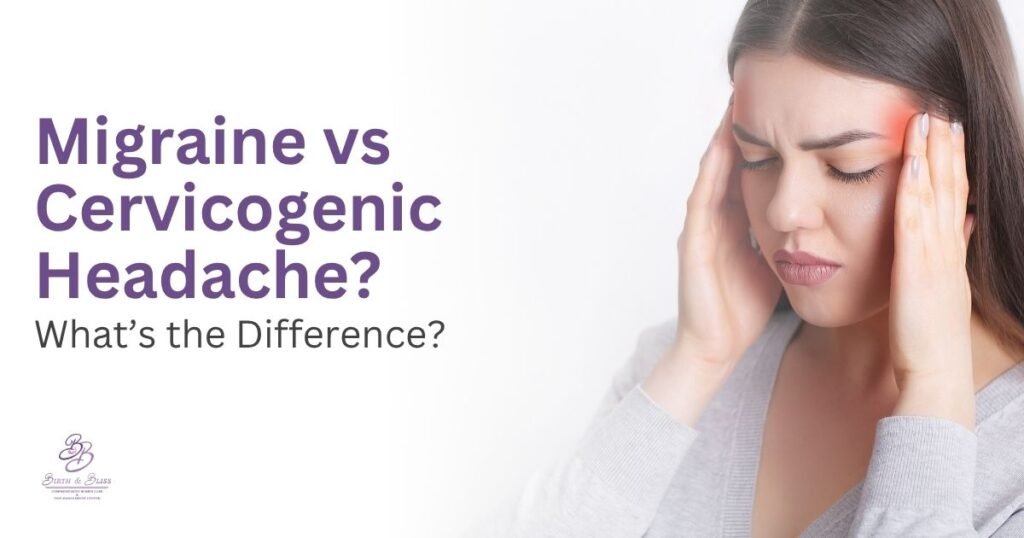
Not every headache is a migraine. Head pain can have different causes, and two conditions that are sometimes confused are migraine and cervicogenic headache.
Both can cause moderate to severe head pain and may occur on one side of the head. However, their underlying causes, associated symptoms, triggers, and treatment approaches can be quite different.
Understanding these differences can help you recognise when your headache may be related to your neck and when you should consult a specialist.
At Birth and Bliss, Dr. Ishan Bhatia focuses on helping patients understand the possible causes of headaches and receive appropriate medical evaluation and care.
What Is a Migraine?
A migraine is a neurological condition that can cause recurrent attacks of moderate to severe headache. The pain is often throbbing or pulsating and may occur on one or both sides of the head.
A migraine attack can last from 4 to 72 hours when untreated and may be accompanied by nausea, vomiting, and increased sensitivity to light and sound. Some people also experience an aura, which can cause temporary visual or sensory symptoms before or during the headache.
Common migraine symptoms include:
- Throbbing or pulsating head pain
- Pain that may affect one side of the head
- Nausea or vomiting
- Sensitivity to bright light
- Sensitivity to loud sounds
- Sensitivity to certain smells
- Worsening pain with physical activity
- Visual disturbances or other aura symptoms in some people
- Fatigue or a “washed out” feeling after an attack
Migraine triggers can vary between individuals and may include changes in sleep, stress, skipped meals, certain foods, hormonal changes, weather changes, or sensory stimulation.
What Is a Cervicogenic Headache?
A cervicogenic headache is a type of secondary headache that originates from structures in the neck. Problems involving the cervical spine, joints, muscles, nerves, or other neck structures can refer pain into the head.
The pain may begin around the back or lower part of the head and travel toward the forehead, temple, or behind the eye.
Common features include:
- Usually one-sided head pain
- Pain beginning in the neck or back of the head
- Pain that may radiate from the back toward the front
- Reduced neck movement
- Headache triggered or worsened by neck movement
- Neck stiffness or discomfort
- Pain that may worsen with pressure over certain neck structures
Unlike migraine, prominent nausea, vomiting, or sensitivity to light and sound are generally less common, although some migraine-like symptoms can occur.
Migraine vs Cervicogenic Headache
| Feature | Migraine | Cervicogenic Headache |
|---|---|---|
| Main source | Neurological | Neck/cervical structures |
| Pain | Often throbbing or pulsating | Often steady or aching |
| Location | Often one-sided, but can be both-sided | Usually one-sided |
| Neck involvement | Neck stiffness can occur | Neck involvement is central to the condition |
| Neck movement | May sometimes worsen pain | Often clearly worsens or triggers pain |
| Nausea/vomiting | Common | Usually less prominent |
| Light sensitivity | Common | Usually less prominent |
| Sound sensitivity | Common | Usually less prominent |
| Aura | Can occur in some people | Not typical |
| Neck range of motion | Usually not the defining feature | May be reduced |
| Treatment focus | Migraine-specific medicines and prevention | Treating the underlying neck problem |
These features can overlap, so symptoms alone may not always be enough to determine the cause.
How Can You Tell If a Headache Is Coming From the Neck?
One useful clue is the relationship between your neck and headache.
A cervicogenic headache may become worse when you:
- Turn or move your neck
- Maintain a particular neck position for a long time
- Put pressure on certain areas of the neck
- Experience restricted neck movement
The pain may also begin at the back of the head and travel toward the front or behind the eye. These characteristics can help a healthcare professional distinguish cervicogenic headache from migraine, although none of these features alone proves the diagnosis.
Can Migraine Cause Neck Pain?
Yes.
This is one reason migraine and cervicogenic headache can be confused.
Neck stiffness or neck pain can occur as part of a migraine attack, even when the underlying condition is migraine rather than a problem originating in the cervical spine.
Therefore, simply having neck pain with a headache does not necessarily mean the headache is cervicogenic.
A detailed history and clinical examination are important.
What Causes Cervicogenic Headaches?
A cervicogenic headache may develop because of a problem affecting structures in the cervical spine.
Possible contributing conditions include:
- Arthritis of the neck
- Cervical disc problems
- Nerve irritation
- Neck injuries
- Muscle or joint dysfunction
- Problems involving the upper cervical joints
Cervicogenic headache is considered a referred pain condition, meaning the source of the pain is in the neck while the pain is experienced in the head.
How Is Migraine Diagnosed?
Migraine is primarily diagnosed based on the patient’s symptoms, headache pattern, medical history, and clinical evaluation.
There is no single blood test or scan that confirms migraine. Imaging may be recommended when symptoms are unusual, the headache pattern changes, or the doctor needs to rule out another underlying condition.
Keeping a headache diary can also be helpful. Recording when headaches occur, how long they last, possible triggers, associated symptoms, and treatments can provide useful information during a medical consultation.
How Is Cervicogenic Headache Diagnosed?
Diagnosis involves a detailed history and physical examination, including assessment of the neck and its range of movement.
Depending on the symptoms, a doctor may recommend imaging such as an X-ray, CT scan, or MRI to look for cervical spine abnormalities or other conditions. However, imaging findings alone do not always establish that the neck is the cause of the headache. Clinical examination and the overall pattern of symptoms remain important.
Treatment for Migraine
Migraine treatment generally focuses on two goals:
- Managing an attack when it occurs
- Preventing future attacks
Depending on the frequency and severity of migraines, treatment may include acute pain-relieving medicines, migraine-specific medicines, preventive medications, and lifestyle strategies.
Lifestyle measures may also help reduce migraine frequency for some people, including:
- Maintaining regular sleep
- Eating meals at consistent times
- Staying adequately hydrated
- Managing stress
- Exercising regularly
- Identifying individual migraine triggers
A treatment plan should be personalised according to the person’s symptoms, medical history, and frequency of attacks.
Treatment for Cervicogenic Headache
Because cervicogenic headaches originate from the neck, treatment generally focuses on the underlying cervical problem.
Depending on the cause, treatment may include:
- Physical therapy
- Neck mobility and strengthening exercises
- Posture correction
- Appropriate pain-relieving medication
- Targeted injections or nerve blocks in selected cases
- Other interventional treatments when required
Surgery is generally reserved for specific underlying cervical conditions when other treatments are unsuccessful or when there is a clear structural indication.
Can Poor Posture Cause Cervicogenic Headaches?
Poor posture can contribute to neck strain and may aggravate symptoms in some people, particularly when the neck remains in a prolonged position.
Long periods of looking down at a phone, working at a computer, or sitting with poor neck support may contribute to neck discomfort.
However, not every headache associated with prolonged screen use is a cervicogenic headache. A proper assessment is important before assuming the cause.
When Should You See a Doctor for Headaches?
Frequent, severe, persistent, or changing headaches deserve medical evaluation.
You should seek urgent medical attention for a headache that is:
- Sudden and extremely severe
- Associated with weakness or numbness
- Accompanied by difficulty speaking
- Associated with confusion or seizures
- Accompanied by fever and a stiff neck
- Associated with double vision or significant vision changes
- Following a significant head injury
A sudden “thunderclap” headache can sometimes indicate a serious medical emergency and should not be ignored.
Frequently Asked Questions
Is a cervicogenic headache the same as a migraine?
No. Migraine is a neurological disorder, whereas a cervicogenic headache originates from a problem involving the neck. However, their symptoms can overlap, which can make diagnosis challenging.
Can a cervicogenic headache feel like a migraine?
Yes. Cervicogenic headaches can cause one-sided head pain and may sometimes resemble migraine. However, classic migraine-associated symptoms such as significant nausea, vomiting, and sensitivity to light or sound are generally less prominent in cervicogenic headache.
Can neck problems trigger headaches?
Yes. Certain conditions affecting the cervical spine and surrounding structures can refer pain into the head and cause cervicogenic headaches.
Does every headache with neck pain mean cervicogenic headache?
No. Neck stiffness or neck pain can also occur during migraine attacks. A medical evaluation is needed to determine the likely cause.
Can cervicogenic headaches be treated?
Yes. Treatment depends on the underlying cause and may include physical therapy, medication, and selected interventional treatments.
Final Takeaway
Migraine and cervicogenic headache can look similar, but they have different underlying causes.
Migraine is primarily a neurological condition often associated with throbbing pain, nausea, and sensitivity to light or sound. Cervicogenic headache originates from structures in the neck and is often associated with restricted neck movement and pain that is triggered or aggravated by neck movement.
If your headaches are frequent, severe, changing, or affecting your daily life, don’t rely on self-diagnosis. A proper evaluation can help identify the cause and guide appropriate treatment.
At Birth and Bliss, Dr. Ishan Bhatia can help evaluate persistent or recurrent headache symptoms and guide you toward appropriate care based on your individual condition.