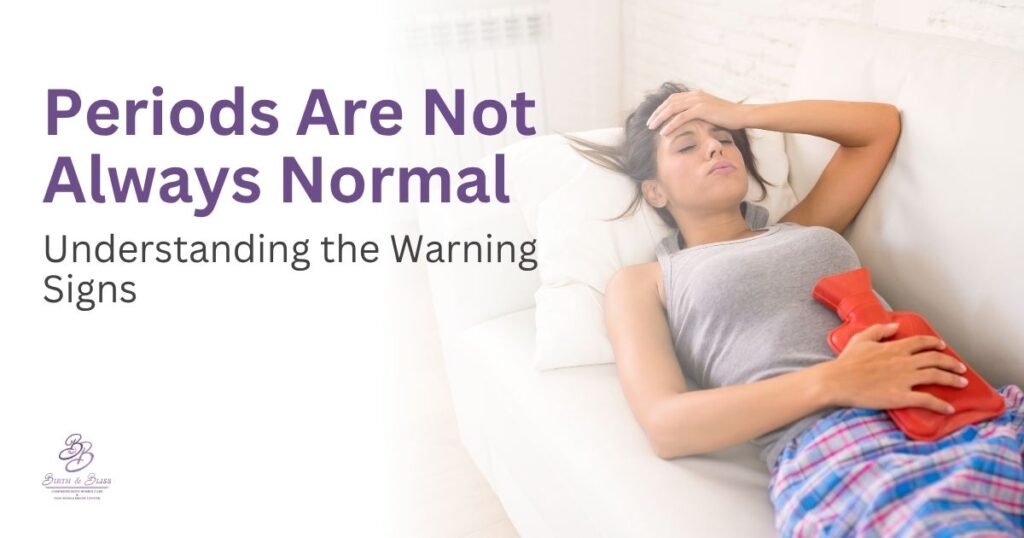
Many women grow up hearing that painful, heavy, or irregular periods are simply a part of being a woman. While some discomfort during menstruation is common, it is important to understand that periods are not always normal. Certain menstrual symptoms may be your body’s way of signaling an underlying health issue that requires medical attention.
Ignoring abnormal periods can delay diagnosis and treatment of conditions that may affect your overall health, fertility, and quality of life.
What is Considered a Normal Period?
A normal menstrual cycle typically:
- Occurs every 21 to 35 days
- Lasts between 2 to 7 days
- Produces moderate bleeding
- Causes mild discomfort that does not interfere with daily activities
Every woman is different, but significant changes in your menstrual pattern should not be ignored.
Signs Your Period May Not Be Normal
1. Severe Period Pain
While mild cramps are common, severe pain that:
- Prevents you from going to work or school
- Requires strong pain medication
- Gets worse over time
may indicate conditions such as:
- Endometriosis
- Adenomyosis
- Pelvic inflammatory disease (PID)
- Uterine fibroids
2. Heavy Menstrual Bleeding
Heavy bleeding is not normal if you:
- Soak through a pad or tampon every hour
- Need double protection
- Pass large blood clots
- Experience bleeding lasting more than 7 days
Heavy periods can lead to iron deficiency and anemia.
3. Irregular Periods
Missing periods frequently or having cycles that vary significantly may be caused by:
- Polycystic Ovary Syndrome (PCOS)
- Thyroid disorders
- Stress
- Hormonal imbalances
- Excessive weight gain or weight loss
4. Bleeding Between Periods
Spotting or bleeding between menstrual cycles should always be evaluated by a healthcare professional, especially if it occurs repeatedly.
5. Extremely Light or Absent Periods
Very light periods or the complete absence of periods may indicate:
- Hormonal disturbances
- PCOS
- Thyroid disease
- Premature ovarian insufficiency
- Pregnancy
6. Pain During Intercourse
Pain during sexual activity is not normal and may be associated with:
- Endometriosis
- Pelvic infections
- Ovarian cysts
- Vaginal or cervical conditions
7. Severe PMS Symptoms
While mood changes are common before periods, extreme symptoms such as:
- Severe anxiety
- Depression
- Irritability
- Emotional instability
may be signs of Premenstrual Dysphoric Disorder (PMDD).
Common Conditions Linked to Abnormal Periods
Endometriosis
A condition where tissue similar to the uterine lining grows outside the uterus, causing severe pain and fertility problems.
Polycystic Ovary Syndrome (PCOS)
A hormonal disorder that commonly causes irregular periods, weight gain, acne, and fertility challenges.
Uterine Fibroids
Non-cancerous growths in the uterus that can cause heavy bleeding and pelvic pain.
Thyroid Disorders
Both hypothyroidism and hyperthyroidism can affect menstrual regularity.
Adenomyosis
A condition where the uterine lining grows into the muscular wall of the uterus, leading to painful and heavy periods.
Why You Shouldn’t Ignore Abnormal Periods
Abnormal menstrual symptoms can affect:
- Fertility
- Daily productivity
- Mental health
- Overall well-being
Early diagnosis can help prevent complications and improve treatment outcomes.
When Should You See a Gynecologist?
Consult a gynecologist if you experience:
- Severe menstrual pain
- Excessive bleeding
- Irregular or missed periods
- Bleeding between periods
- Symptoms of anemia such as fatigue and dizziness
- Difficulty conceiving
- Sudden changes in your menstrual cycle
Tips for Maintaining Menstrual Health
- Maintain a healthy weight
- Exercise regularly
- Manage stress effectively
- Eat a balanced diet rich in iron and nutrients
- Track your menstrual cycle
- Schedule regular gynecological check-ups
Conclusion
Periods are a natural part of a woman’s reproductive health, but periods are not always normal. Severe pain, heavy bleeding, irregular cycles, or unusual symptoms should never be dismissed as something you simply have to endure.
Listening to your body and seeking timely medical advice can help identify underlying conditions early and ensure better reproductive and overall health. Remember, painful or abnormal periods are common—but they are not necessarily normal.