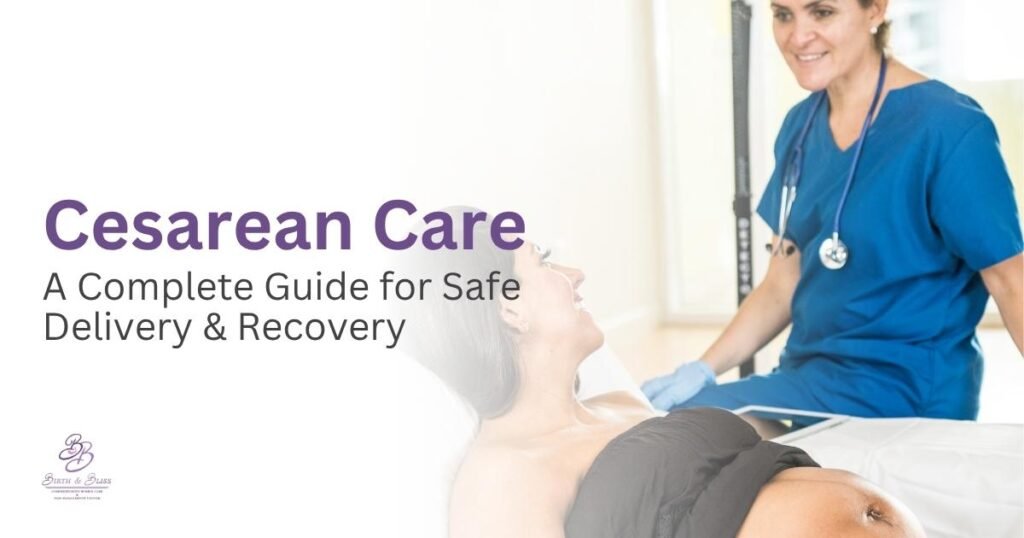
Cesarean delivery, commonly known as a C-section, is a surgical procedure used to deliver a baby through incisions in the abdomen and uterus. While it is a safe and often life-saving procedure, proper cesarean care is essential for both the mother and the newborn.
In this guide, we’ll walk you through everything you need to know about cesarean care — from preparation to recovery.
What is Cesarean Delivery?
A cesarean section is recommended when vaginal delivery may pose risks to the mother or baby. It can be planned in advance or performed as an emergency procedure.
When is a Cesarean Needed?
Doctors may recommend a C-section in situations such as:
- Prolonged or obstructed labor
- Baby in breech or abnormal position
- Multiple pregnancies (twins, triplets)
- Placenta previa
- Fetal distress
- Previous cesarean delivery
Pre-Cesarean Care (Before Surgery)
1. Medical Evaluation
- Blood tests, ultrasound, and fetal monitoring
- Review of medical history
2. Fasting Guidelines
- Usually, no food or drink 6–8 hours before surgery
3. Hygiene & Preparation
- Shower with antiseptic soap
- Avoid shaving the surgical area (to prevent infection)
4. Emotional Preparation
- Understanding the procedure helps reduce anxiety
- Counseling and doctor discussions are important
What Happens During a Cesarean?
- Spinal or epidural anesthesia is given
- A small incision is made in the lower abdomen
- Baby is delivered safely within minutes
- The incision is stitched after delivery
The entire procedure typically takes 30–60 minutes.
Immediate Post-Delivery Care
After delivery, both mother and baby are monitored closely:
- Vital signs monitoring
- Pain management
- Breastfeeding support
- Early skin-to-skin contact
Benefits of Cesarean Delivery
- Life-saving in high-risk pregnancies
- Prevents complications during difficult labor
- Controlled and planned delivery
Risks to Be Aware Of
While generally safe, possible risks include:
- Infection
- Blood loss
- Delayed recovery
- Future pregnancy complications
Tips for Faster Recovery
- Follow doctor’s instructions strictly
- Keep the incision area clean and dry
- Stay hydrated and eat nutritious food
- Start light movement as advised
Conclusion
Cesarean care is not just about the surgery—it’s about proper planning, expert medical support, and post-delivery care. With the right guidance and precautions, mothers can experience a safe delivery and smooth recovery.