Irregular periods are very common in teenage girls, especially during the first few years after menstruation begins. For many teenagers and parents, missed periods, delayed cycles, or heavy bleeding can cause stress and confusion. However, in most cases, occasional irregularity is a normal part of the body adjusting to hormonal changes.
Understanding what is normal and when medical attention may be needed can help teenage girls manage their menstrual health with confidence.
What are Irregular Periods?
Menstrual Disorders occur when the menstrual cycle does not follow a regular pattern.
A normal menstrual cycle usually occurs every 21 to 35 days. However, in teenage girls, cycles may vary during puberty because hormones are still developing.
Irregular periods may include:
- Missed periods
- Delayed periods
- Very frequent periods
- Heavy bleeding
- Light bleeding
- Periods lasting too long
- Unpredictable cycles
Why are Periods Often Irregular in Teenagers?
During puberty, the body takes time to establish regular hormonal balance. The ovaries may not release eggs regularly in the initial years after menstruation starts, leading to irregular cycles.
This is usually normal during the first 2–3 years after the first period.
Common Causes of Irregular Periods in Teenage Girls
1. Hormonal Changes
Hormonal imbalance during puberty is the most common reason for irregular periods in teenagers.
2. Stress and Anxiety
School pressure, exams, emotional stress, and lifestyle changes can affect hormones and menstrual cycles.
3. Poor Diet and Nutritional Deficiency
Lack of proper nutrition, sudden weight loss, or unhealthy eating habits may disturb menstrual regularity.
4. Excessive Exercise
Intense physical activity or sports training can sometimes affect periods.
5. Polycystic Ovary Syndrome (PCOS)
Polycystic Ovary Syndrome is a common hormonal condition that can cause:
- Irregular periods
- Weight gain
- Acne
- Excess facial hair
6. Thyroid Problems
Thyroid hormone imbalance may also affect menstrual cycles.
7. Lack of Sleep
Poor sleep patterns can influence hormones and overall health.
Symptoms That May Need Medical Attention
While occasional irregularity is common, certain symptoms should not be ignored.
Consult a doctor if a teenage girl experiences:
- No periods for more than 3 months
- Extremely heavy bleeding
- Severe abdominal pain
- Very frequent periods
- Periods lasting more than 7 days
- Dizziness or weakness during periods
- Excessive acne or facial hair growth
- Sudden weight changes
Early medical evaluation can help identify underlying health issues.
Can Irregular Periods Affect Future Fertility?
In most teenage girls, irregular periods during puberty do not affect future fertility. As hormones stabilize, menstrual cycles often become regular naturally.
However, conditions like PCOS or thyroid disorders may require treatment to prevent long-term complications.
How are Irregular Periods Diagnosed?
Doctors may evaluate:
- Menstrual history
- Lifestyle habits
- Weight and nutrition
- Hormonal health
Sometimes blood tests or ultrasound may be advised if needed.
Tips to Maintain Healthy Menstrual Cycles
Eat a Balanced Diet
Include iron-rich foods, fruits, vegetables, and protein in daily meals.
Exercise Regularly
Moderate physical activity helps maintain hormonal balance.
Manage Stress
Relaxation techniques, hobbies, and proper rest can reduce stress-related cycle changes.
Maintain Healthy Sleep
Adequate sleep is important for hormonal health.
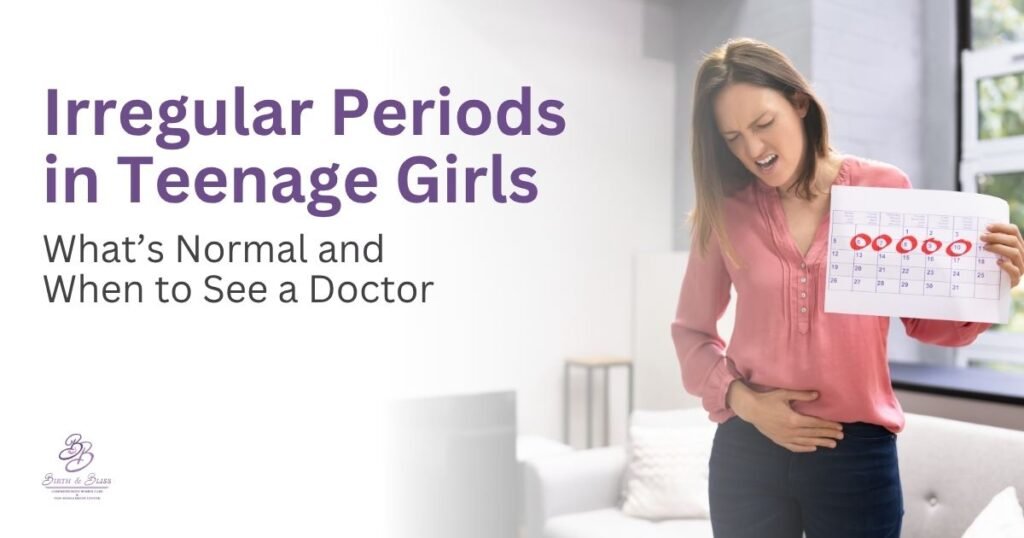
Track Periods
Keeping a period calendar or using a mobile app can help monitor cycle patterns.
Emotional Support is Important
Many teenage girls feel embarrassed or anxious about menstrual problems. Parents and caregivers should encourage open conversations and provide emotional support.
Menstrual health is a normal part of growing up and should never be treated as a taboo topic.
Final Thoughts
Irregular periods in teenage girls are often a normal part of puberty, but understanding the signs of abnormal symptoms is important. Most menstrual cycles become regular with time, healthy lifestyle habits, and proper hormonal balance.
If irregular periods are severe, persistent, or associated with other symptoms, consulting a gynecologist can help ensure proper diagnosis and care. Early awareness and medical guidance can support a healthier future and better reproductive health.