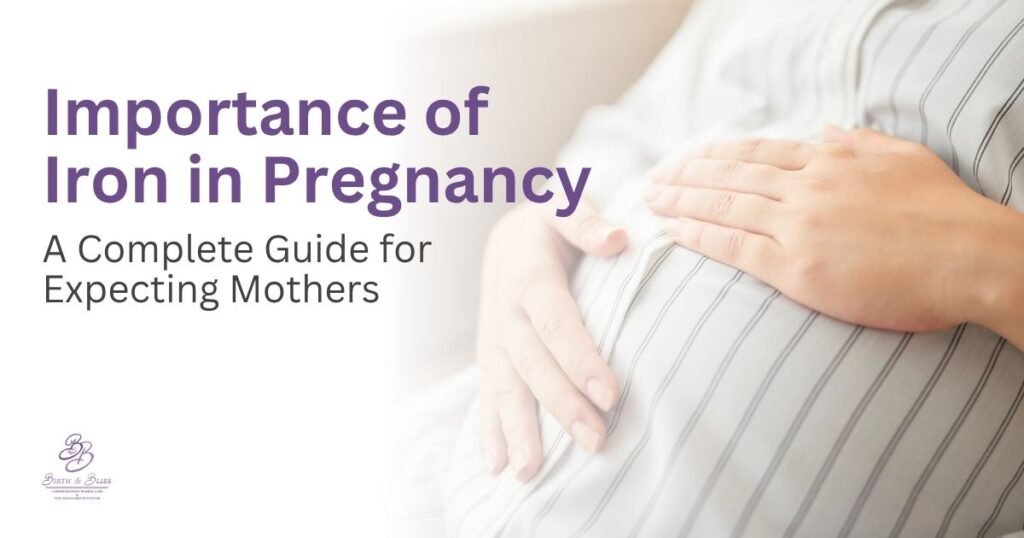
Pregnancy is a remarkable journey that brings significant changes to a woman’s body. During these nine months, nutritional needs increase to support both the mother’s health and the baby’s development. Among all essential nutrients, iron plays a critical role in ensuring a healthy pregnancy.
Iron deficiency is one of the most common nutritional deficiencies worldwide and is a leading cause of anemia during pregnancy. Understanding the importance of iron in pregnancy can help expecting mothers make informed choices for their health and their baby’s well-being.
Why is Iron Important During Pregnancy?
Iron is a mineral that helps the body produce hemoglobin, a protein found in red blood cells that carries oxygen throughout the body. During pregnancy, a woman’s blood volume increases by nearly 50%, requiring more hemoglobin and, therefore, more iron.
Adequate iron intake helps:
- Transport oxygen to the baby and placenta
- Support healthy fetal growth and brain development
- Prevent maternal anemia
- Reduce the risk of preterm birth
- Lower the chances of low birth weight
- Support energy levels and overall maternal health
Increased Iron Requirements During Pregnancy
The body’s iron requirements significantly increase during pregnancy.
Recommended Daily Iron Intake
- Non-pregnant women: 18 mg/day
- Pregnant women: 27 mg/day
- Breastfeeding women: 9-10 mg/day
Most women find it difficult to meet these increased requirements through diet alone, which is why healthcare providers often recommend iron supplements.
What Happens if You Don’t Get Enough Iron?
Iron deficiency can lead to iron-deficiency anemia, a condition where the body does not have enough healthy red blood cells to carry oxygen effectively.
Symptoms of Iron Deficiency During Pregnancy
- Extreme fatigue
- Weakness
- Dizziness
- Shortness of breath
- Pale skin
- Headaches
- Rapid heartbeat
- Difficulty concentrating
If left untreated, severe anemia can lead to complications for both mother and baby.
Risks of Iron Deficiency in Pregnancy
Risks for the Mother
- Increased fatigue and weakness
- Higher risk of infections
- Postpartum depression
- Increased risk of excessive bleeding during delivery
- Delayed recovery after childbirth
Risks for the Baby
- Premature birth
- Low birth weight
- Poor growth and development
- Increased risk of infant anemia
- Impaired cognitive and behavioral development
Best Iron-Rich Foods During Pregnancy
A healthy, balanced diet can help improve iron levels naturally.
Animal-Based Sources (Heme Iron)
Heme iron is more easily absorbed by the body.
- Lean red meat
- Chicken
- Turkey
- Fish
- Eggs
- Liver (in limited amounts and only after consulting a healthcare provider)
Plant-Based Sources (Non-Heme Iron)
- Spinach
- Kale
- Broccoli
- Lentils
- Chickpeas
- Kidney beans
- Soybeans
- Tofu
- Pumpkin seeds
- Sesame seeds
- Dry fruits like raisins and apricots
Vitamin C Helps Iron Absorption
Combining iron-rich foods with vitamin C-rich foods can significantly improve iron absorption.
Vitamin C Sources
- Oranges
- Lemons
- Guava
- Kiwi
- Strawberries
- Tomatoes
- Bell peppers
- Amla (Indian gooseberry)
For example, adding lemon juice to spinach or having a glass of orange juice with meals can boost iron absorption.
Foods That Reduce Iron Absorption
Certain foods and beverages can interfere with iron absorption if consumed alongside iron-rich meals.
These include:
- Tea
- Coffee
- Excess calcium supplements
- Milk and dairy products taken with iron supplements
It is advisable to maintain a gap of at least 1–2 hours between iron supplements and these foods.
Do All Pregnant Women Need Iron Supplements?
Many pregnant women are prescribed iron supplements because meeting the body’s increased iron demands through food alone can be challenging.
Healthcare providers may recommend supplements if:
- Blood tests show low hemoglobin levels
- The mother has iron-deficiency anemia
- There is a history of multiple pregnancies
- The woman follows a vegetarian or vegan diet
- The pregnancy is considered high-risk
Always take iron supplements under medical supervision and follow the prescribed dosage.
Tips to Prevent Iron Deficiency During Pregnancy
- Eat iron-rich foods daily.
- Include vitamin C with meals.
- Take prenatal vitamins as recommended.
- Attend regular prenatal check-ups.
- Avoid tea and coffee immediately after meals.
- Get routine blood tests to monitor hemoglobin levels.
When Should You Consult a Doctor?
If you experience persistent fatigue, dizziness, breathlessness, or symptoms of anemia during pregnancy, consult your healthcare provider promptly. Early diagnosis and treatment can help prevent complications and ensure a healthy pregnancy.
Conclusion
The importance of iron in pregnancy cannot be overstated. Iron supports oxygen delivery, healthy fetal development, and maternal well-being throughout pregnancy. Ensuring adequate iron intake through a nutritious diet and supplements when necessary can significantly reduce the risk of anemia and pregnancy-related complications.
Every expecting mother should prioritize iron-rich foods and follow her healthcare provider’s recommendations to enjoy a healthier pregnancy and give her baby the best possible start in life.