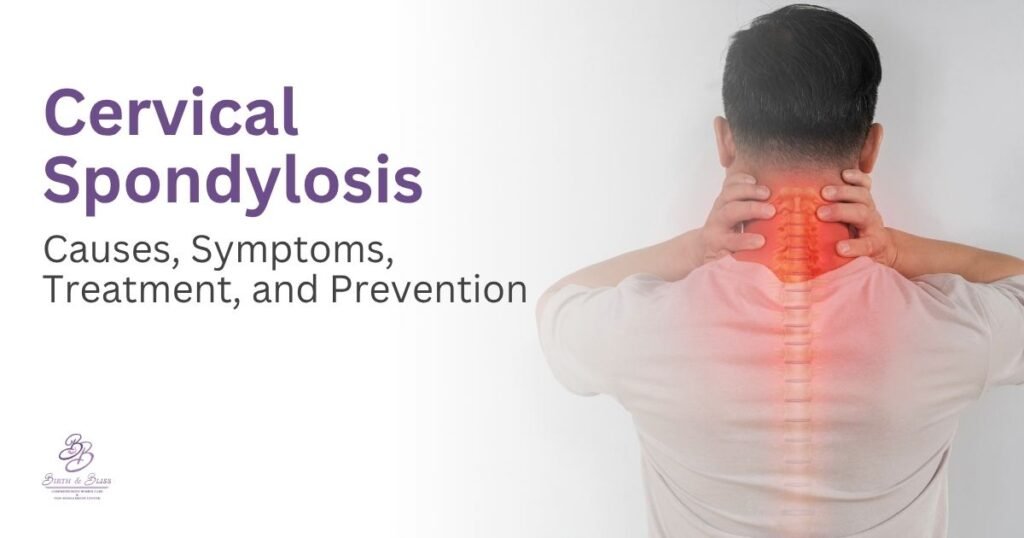
Neck pain has become increasingly common in today’s digital age, where prolonged screen time and poor posture are part of daily life. One of the leading causes of chronic neck pain is cervical spondylosis, a condition that affects millions of people worldwide, especially those over the age of 40.
Understanding cervical spondylosis, its symptoms, and available treatment options can help individuals manage pain effectively and maintain an active lifestyle.
What is Cervical Spondylosis?
Cervical spondylosis, also known as neck arthritis, is an age-related degenerative condition affecting the cervical spine (the neck region of the spine). It occurs when the discs, bones, and joints in the neck gradually wear down over time.
As we age, the spinal discs lose hydration and elasticity, leading to changes such as bone spurs, disc degeneration, and stiffness in the neck.
Causes of Cervical Spondylosis
Several factors contribute to the development of cervical spondylosis:
1. Aging
Natural wear and tear of the spine is the most common cause.
2. Poor Posture
Long hours spent looking down at smartphones or working on computers can place excessive strain on the neck.
3. Repetitive Neck Movements
Certain occupations that involve repetitive neck movements may increase the risk.
4. Previous Neck Injury
Past injuries can accelerate degenerative changes in the cervical spine.
5. Sedentary Lifestyle
Lack of physical activity can weaken neck and back muscles, making the spine more vulnerable.
6. Genetic Factors
A family history of spinal degeneration may increase susceptibility.
Symptoms of Cervical Spondylosis
Symptoms can range from mild discomfort to severe pain depending on the extent of degeneration.
Common symptoms include:
- Neck pain and stiffness
- Headaches, especially from the back of the head
- Pain radiating to the shoulders and arms
- Tingling or numbness in the arms and hands
- Muscle weakness
- Reduced range of neck movement
- Dizziness in some cases
- Grinding sensation during neck movement
When Does Cervical Spondylosis Become Serious?
In advanced cases, cervical spondylosis can compress nerves or the spinal cord, leading to a condition called cervical myelopathy.
Seek immediate medical attention if you experience:
- Difficulty walking
- Loss of balance
- Weakness in arms or legs
- Loss of bladder or bowel control
- Severe numbness
Diagnosis of Cervical Spondylosis
A healthcare provider may diagnose cervical spondylosis through:
Physical Examination
Assessment of neck movement, muscle strength, reflexes, and nerve function.
Imaging Tests
- X-rays
- MRI scans
- CT scans
Nerve Function Tests
- Electromyography (EMG)
- Nerve conduction studies
These tests help determine the extent of nerve compression and spinal degeneration.
Treatment Options for Cervical Spondylosis
Most cases can be managed without surgery.
1. Physiotherapy
Physiotherapy is one of the most effective treatments for cervical spondylosis. It helps:
- Improve flexibility
- Strengthen neck muscles
- Reduce pain
- Improve posture
- Restore normal movement
2. Pain Management Therapies
Depending on the severity of symptoms, treatment may include:
- Manual therapy
- Heat therapy
- Ultrasound therapy
- TENS therapy
- Specialized pain management techniques
3. Lifestyle Modifications
Simple changes can significantly reduce symptoms:
- Maintain proper posture
- Take regular breaks from screen use
- Use ergonomic furniture
- Avoid prolonged neck bending
4. Exercise and Stretching
Regular neck-strengthening and stretching exercises help improve mobility and reduce stiffness.
5. Medications
Doctors may prescribe medications for short-term pain relief when necessary.
6. Surgery
Surgery is generally considered only when conservative treatments fail or when significant nerve compression is present.
Can Cervical Spondylosis Be Prevented?
While aging cannot be stopped, the risk and progression of cervical spondylosis can be reduced through healthy habits.
Prevention Tips
- Maintain good posture while sitting and working
- Exercise regularly
- Strengthen neck and shoulder muscles
- Use a supportive pillow
- Avoid carrying heavy loads on one shoulder
- Take frequent breaks during desk work
- Stay physically active
Best Exercises for Cervical Spondylosis
Some commonly recommended exercises include:
- Chin tucks
- Neck stretches
- Shoulder rolls
- Scapular retraction exercises
- Upper trapezius stretches
Always perform exercises under professional guidance to avoid worsening symptoms.
When Should You Consult a Specialist?
Consult a healthcare professional if:
- Neck pain persists for more than a few weeks
- Pain interferes with daily activities
- You experience numbness or weakness
- Symptoms continue to worsen despite self-care measures
Early diagnosis and treatment can prevent complications and improve long-term outcomes.
Conclusion
Cervical spondylosis is a common condition that affects the neck due to age-related wear and tear. Although it can cause pain, stiffness, and reduced mobility, most cases respond well to physiotherapy, posture correction, and lifestyle modifications.
If you are experiencing persistent neck pain or symptoms of cervical spondylosis, seeking professional evaluation and treatment can help you regain comfort, mobility, and quality of life.